by Mathias De Roeck
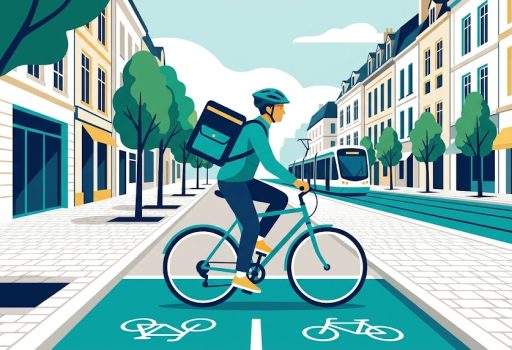
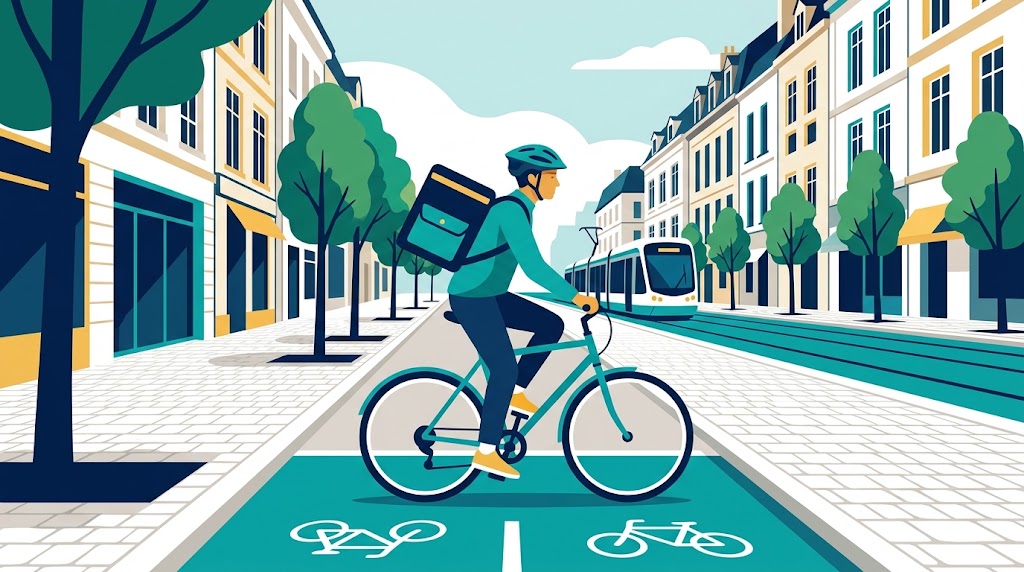
When we order a meal, we rarely think about the journey to our door. For couriers, that journey is part of their working day. They travel through busy streets by bicycle, e-bike, moped, motorcycle or car, often while managing the demands of delivery work (such as dealing with time pressure, finding addresses, receiving delivery updates).
Keeping couriers safe involves more than asking them to follow traffic rules. The way companies organise deliveries, communicate with couriers and respond to safety concerns can also shape what happens on the road.
Through TRUST, Vias institute in Belgium, the Institute of Transport Economics (TØI) in Norway and the Swedish National Road and Transport Research Institute (VTI) are working with food delivery companies to explore how a positive traffic safety culture can become a stronger part of everyday work. The companies involved are Just Eat Takeaway.com (JET) in Belgium and foodora in Sweden. There may also be opportunities to involve other countries as the pilot develops.
The first step is to learn how companies currently approach traffic safety culture and what challenges they face. Discussions with company staff and a short questionnaire will help us develop activities that fit the realities of delivery work. One option being explored is an online teaching session on traffic safety culture for managers based on the Safety Ladder approach, combined with short learning activities that couriers can complete at a convenient time. The Safety Ladder helps transport companies improve traffic safety culture step by step. It starts with managers making safety a clear priority and builds towards more systematic ways of identifying risks and managing safety. The format will be shaped with the companies involved.
We will ask participants about their views on the importance of traffic safety culture before and after the activities to understand what they found useful and whether their thinking about traffic safety culture has changed. The lessons could help food delivery companies across Europe find practical ways to make safer journeys part of their daily work.